Categories
Constitutional Democracy Uncategorized

The Fourth Amendment

To address Trump’s “ill-conceived and incompetently-implemented government pursuit of daily deportation quotas, apparently even if it requires traumatizing children.”

UNITED STATES DISTRICT JUDGE, THE WESTERN DISTRICT OF TEXAS, FRED BIERY wrote in his January 31, 2026, order:

“And then there is that pesky inconvenience called the Fourth Amendment:

The right of the people to be secure in their persons, houses, papers, and effects, against unreasonable searches and seizures, shall not be violated, and no Warrants shall issue, but upon probable cause, supported by Oath or affirmation, and particularly describing the place to be searched, and persons or things to be seized.”

U.S. CONST. amend. IV.

“Civics lesson to the government: Administrative warrants issued by the executive branch to itself do not pass probable cause muster. That is called the fox guarding the henhouse. The Constitution requires an independent judicial officer.”

The complete Order.

You can read the complete text of the United States Constitution at the American Bar Association web page.

Categories
New California Laws

COVID-19 Tenant Protections

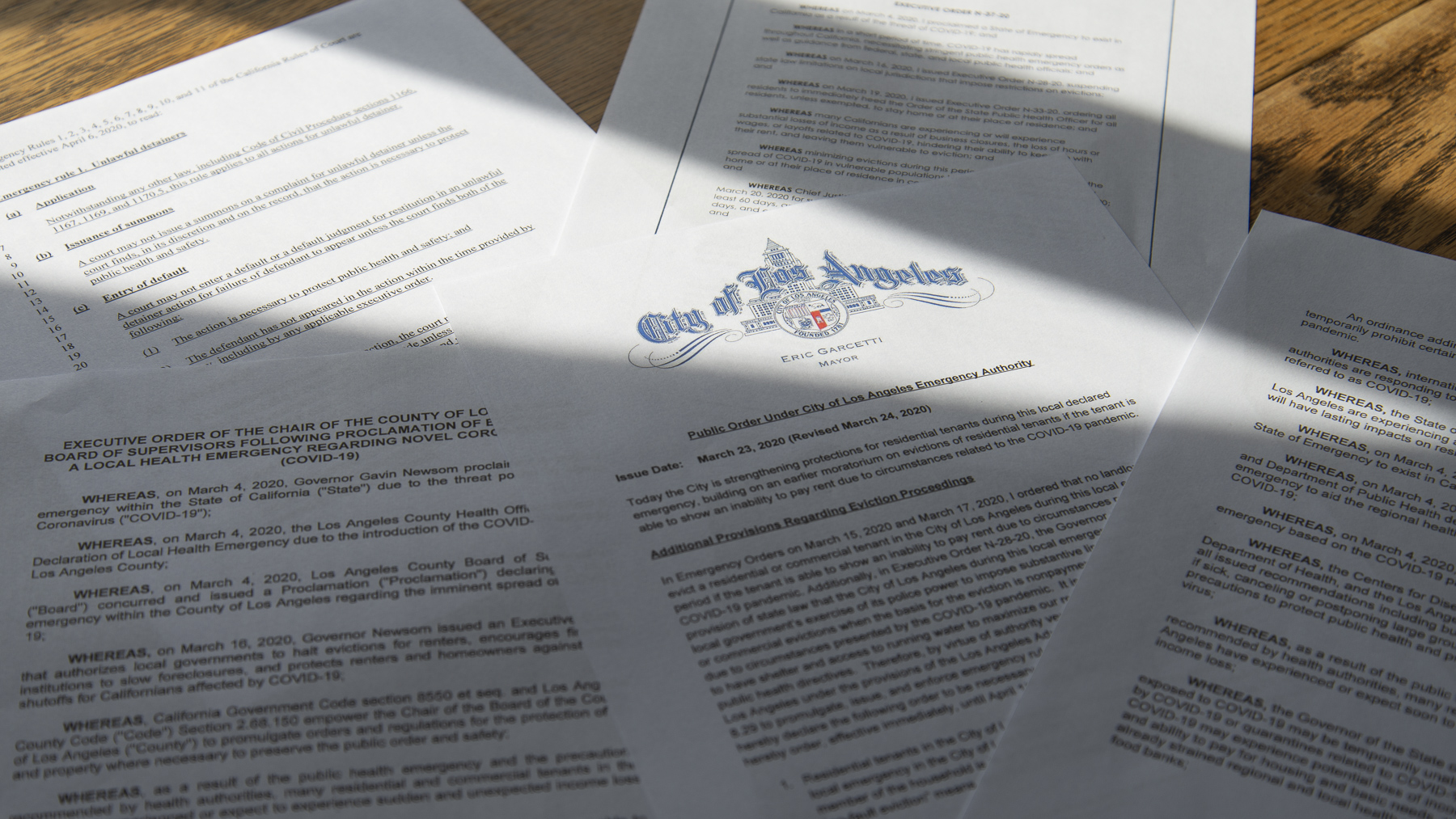
While Mr. Trump’s best idea for helping people to address the financial and medical threats of COVID-19 is to suggest that people ingest bleach (Don’t listen to him. Listening to him will kill you.), governors are leading with much needed policies and new laws to protect tenants as they “Stay Safe at Home.”  
On March 16, 2020, California Governor, Gavin Newsom, issued an executive order authorizing local governments to exercise their police powers to enact COVID-19 eviction protections for tenants, and he instructed housing authorities to grant extended time for compliance.

Categories
Constitutional Democracy

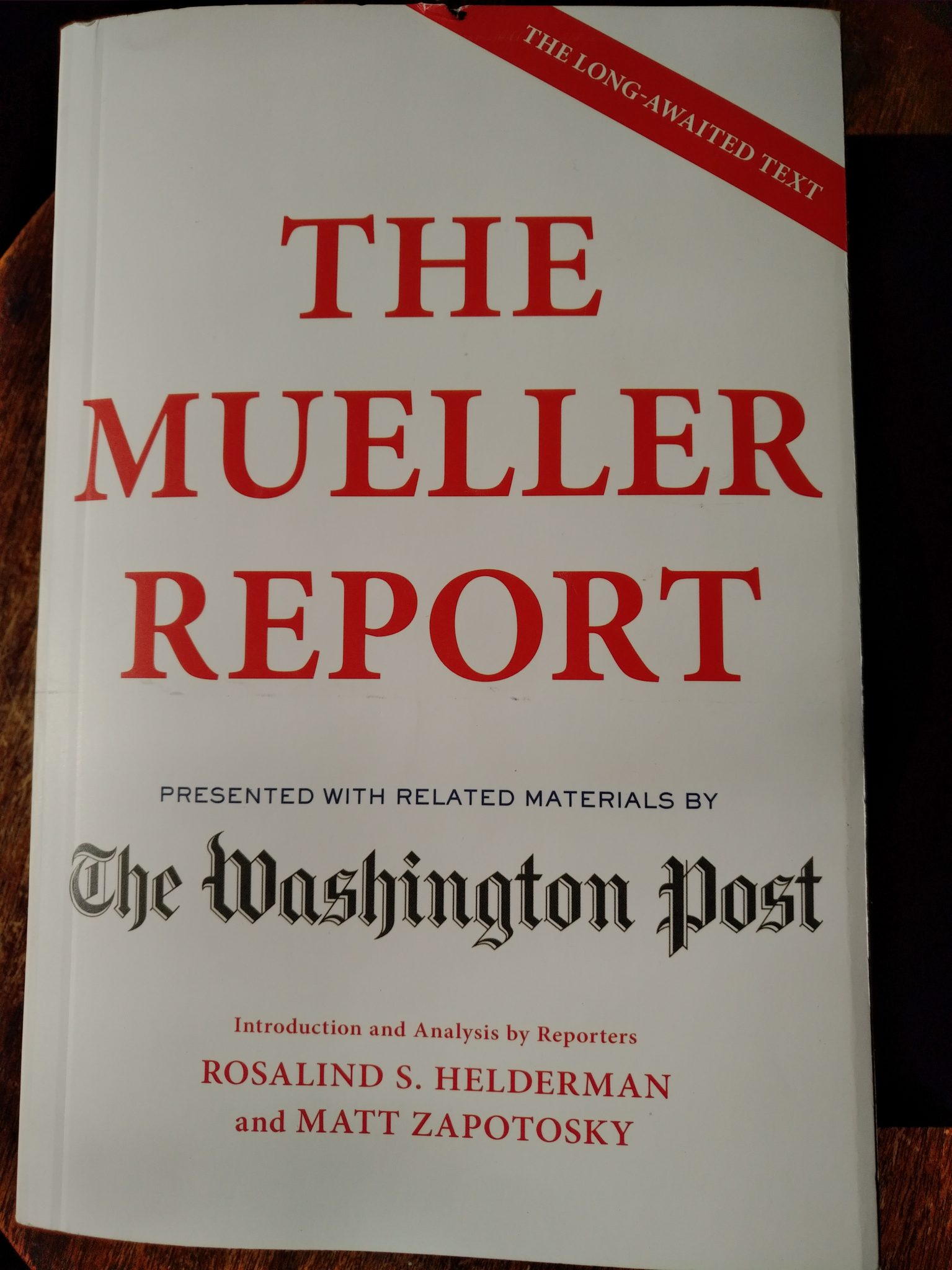
William Barr and SPECIAL COUNSEL ROBERT MUELLER RUSSIAN ELECTION INTERFERENCE REPORT

July 2, 2024, Update:

Opinion: We should all dissent from the Supreme Court’s immunity decision, and not respectfully

This article below is from the Opinion section of the Los Angeles Times, July 1, 2024.  It was written by the Dean of the University of California Berkeley School of Law.  

“As Justice Sonia Sotomayor powerfully said in her dissent in Trump vs. United States, the Supreme Court on Monday made ‘a mockery of the principle, foundational to our Constitution and system of Government, that no man is above the law.’ In a 6-3 decision, the six Republican-appointed justices handed a stunning victory to Donald Trump in broadly defining the scope of absolute presidential immunity from criminal prosecution.

Roberts concluded his opinion by rightly saying: ‘This case poses a question of lasting significance.’ Unfortunately, the court gave an answer to that question that undermines the rule of law and creates a serious future threat to our democracy in placing the president largely above the law.”

Erwin Chemerinsky is a contributing writer to Opinion and the dean of the UC Berkeley School of Law.

August 8, 2020, Update:

In William’s Barr’s testimony before the House Judiciary Committee on July 28, 2020, he stated “Given our history, it’s understandable that among black Americans, there’s some ambivalence and often distrust toward the police. Until just the last 50 years ago or so, our laws and our institutions were explicitly racist, explicitly discriminatory.”  He denied there is systematic racism in law enforcement.  

Categories
Constitutional Democracy

Emoluments Clauses of the U.S. Constitution

The Foreign Emoluments Clause, U.S. Constitution Article I, Section 9, cl. 8,  “No Title of Nobility shall be granted by the United States: And no Person holding any Office of Profit or Trust under them, shall, without the Consent of the Congress, accept of any present, Emolument, Office, or Title, of any kind whatever, from any King, Prince, or foreign State.”

Categories
Uncategorized

Civil Rights Act of 1964

Title VII of the Civil Rights Act of 1964 states at 42 U.S.C. Section 2000e-2(a) (1) :

“It shall be an unlawful employment practice for an employer— (1) to fail or refuse to hire or to discharge any individual, or otherwise to discriminate against any individual with respect to his compensation, terms, conditions, or privileges of employment, because of such individual’s race, color, religion, sex, or national origin.” On June 15, 2020, the United States Supreme Court held that “In Title VII, Congress adopted broad language making it illegal for an employer to rely on an employee’s sex when deciding to fire that employee. We do not hesitate to recognize today a necessary consequence of that legislative choice: An employer who fires an individual merely for being gay or trans gender defies the law.” Bostock, v. Clayton County, Georgia (June 15, 2020). The conservative judge appointed by Trump, Justice Gorsuch, wrote the majority opinion base on the ordinary public meaning of the words in Title VII, notwithstanding any unexpected consequences.